
Start with the moment it catches
Does the trouble happen while turning the key, while moving the handle or as the door meets the frame? Mention whether the key enters normally, whether the latch seems to reach its opening and whether you have to lift or push the door. These are observations to share, not instructions to take the lock apart.
If you have already noticed that the key behaves differently with the door open, describe that too. Do not force a stuck key, remove parts or keep testing a door that may leave you locked out. A short account of ordinary use is enough to begin a lock repair conversation.
Old Town does not mean one door type
Coppell's Old Town occupies the original town site and brings homes, restaurants and shops around a walkable square. That mix makes the precise property and entrance important. It does not tell anyone the age of your door, what hardware is inside or whether a particular change is appropriate.
Say if you want to retain an existing handle, visible finish or lock. Keeping the appearance matters to some owners, but suitability still needs assessment. If the property has rules affecting alterations, involve the responsible owner or property contact before approving a change.
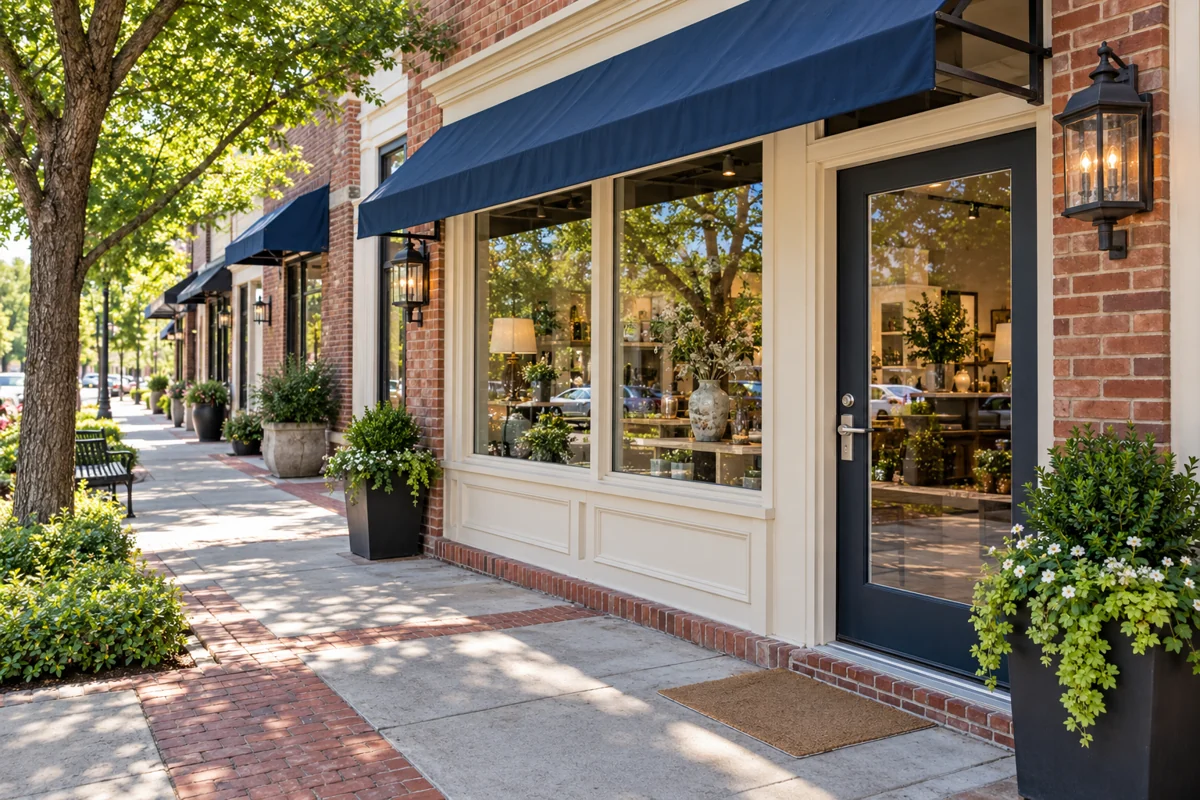
A shop door has another question
For a business entrance, identify the correct suite and the person who can approve the work. Explain whether it is the customer door, a staff entrance or an internal office lock. If the premises are leased, check whose authorization is required for that part of the doorway.
Our commercial locksmith page covers the approval and key-handover side. A lost key and a catching door may occur together, but changing who can enter does not necessarily correct the binding.
Bring the discussion back to the problem
Ask what is believed to be causing the symptom, what work is proposed and whether that work changes the lock, the keys or both. If replacement is suggested, ask why the existing item is unsuitable. The aim is an informed decision based on your doorway, rather than choosing a new lock before anyone understands the fault.
If the door is already shut and you cannot enter, say that first and confirm availability for a lockout. A general repair inquiry and an immediate access problem need different first details.