
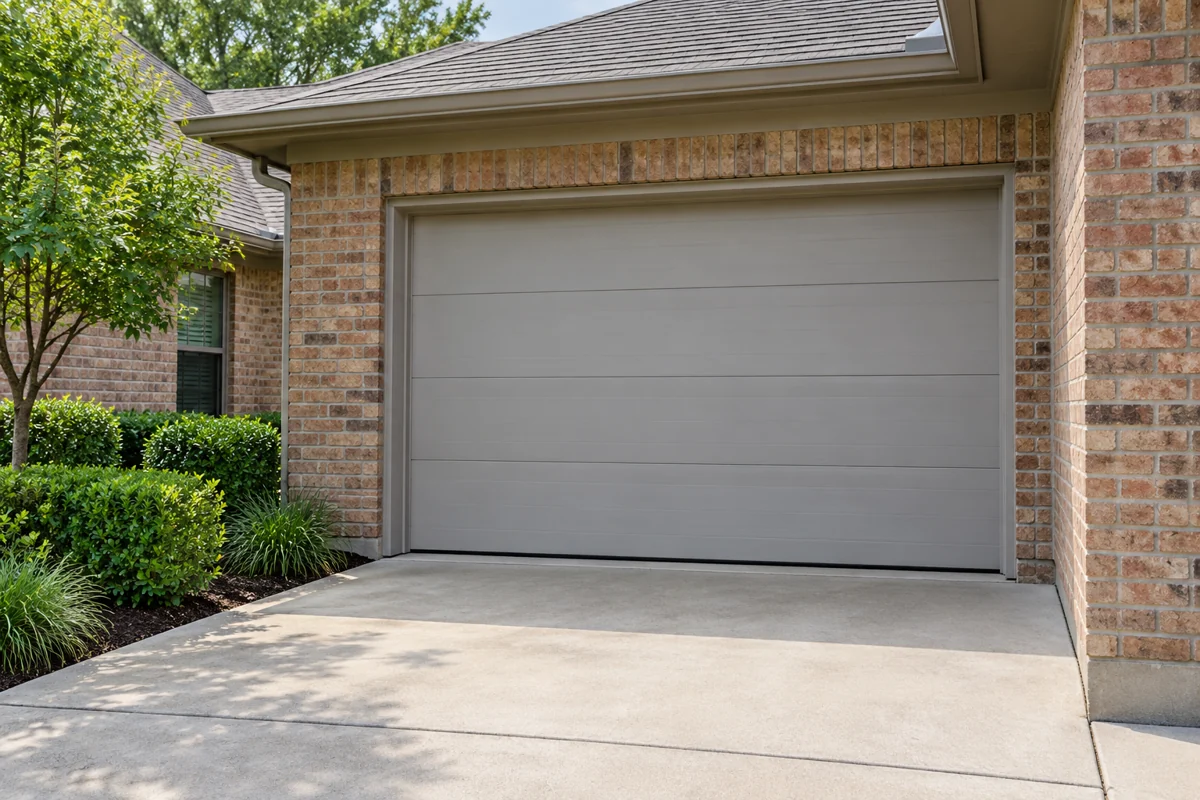
Describe the last normal movement
Say whether the door was opening or closing, where it stopped and whether it now looks level. Mention any unusual noise, a visible loose part or a recent impact. If an opener is involved, describe whether it runs, makes a sound or shows a message. Those observations help frame the assessment without guessing which component has failed.
Explain whether a vehicle is trapped inside and whether the garage is part of a private home. Shared parking gates, industrial overhead equipment and new door installation are separate matters and are not established offerings on this page. Confirm the specific door and repair request by phone.
Do not keep cycling a jammed door
Repeatedly pressing a control or forcing a door can make an uncertain situation harder to assess. Keep clear of the opening and do not stand beneath an unstable or partly open door. Leave spring, cable and other tensioned-part adjustments to a qualified assessment rather than trying a repair from an online checklist.
If you cannot secure the opening, explain that on the call. Ask what can be assessed for the particular door and what the proposed repair would include. Parts, compatibility and the condition of the assembly need to be considered before a result or price is agreed.
The garage door and the house lock
Sometimes the problem is the main moving garage door; sometimes it is a key or latch on the door into the home. Make that distinction early. For an ordinary entry lock, residential locksmith help or lock repair may be the relevant conversation.
After a move, include that home-entry door when making your key list. The keys after a move guide covers access decisions without assuming the garage mechanism itself needs changing. A keypad, remote and ordinary door key can each control a different part of getting home.